
How to Heal From Relationship Trauma

"Sometimes the relationship ends, but the impact remains."
When people hear the word trauma, they often think about experiences such as violence, serious accidents, abuse, or events that threatened someone's safety. But some of our most lasting emotional wounds can also develop within relationships, particularly when the people we depend on for love, safety, or connection repeatedly become a source of fear, rejection, betrayal, or emotional pain.
These experiences can happen in many different relationships. They may involve growing up with a parent who was emotionally unavailable or unpredictable, experiencing betrayal in a romantic relationship, repeatedly having your trust broken, or spending years in a family dynamic where you rarely felt emotionally safe or understood. A close friendship can also leave a lasting impact when it involves significant betrayal, manipulation, rejection, or loss.
Not every painful relationship is traumatic, and emotional pain alone doesn't necessarily mean someone has experienced trauma. What matters is the nature of the experience, how overwhelming or threatening it felt, whether it happened repeatedly, and the effect it had on the person experiencing it.
Sometimes that effect continues long after the relationship has ended or changed. You may know intellectually that you're no longer in the same situation while noticing that part of you still responds as though the old danger could return. Trust may feel harder. You might analyze small changes in someone's behavior, become particularly sensitive to rejection, struggle to believe reassurance, or keep an emotional distance even from people who have given you little reason to doubt them.
Healing, then, isn't always simply about “moving on” from a person or relationship. It can also involve understanding what the experience taught you about yourself, other people, and what to expect when you become emotionally close to someone.
What Is Relationship Trauma?
Relationship trauma generally refers to the lasting emotional and psychological effects of harmful or overwhelming experiences that occur within significant relationships. It can develop in romantic partnerships, but it may also be connected to experiences with parents, caregivers, siblings, other family members, close friends, or important attachment figures.
The circumstances can vary considerably. For some people, the impact comes from an obvious betrayal, abandonment, emotional abuse, or repeated violation of trust. For others, the experience is less visible and develops gradually through chronic criticism, emotional neglect, unpredictable caregiving, manipulation, rejection, or repeatedly feeling that their emotional needs don't matter.
What makes relational wounds particularly complicated is that human beings naturally turn toward other people for connection and safety. When an important relationship becomes a source of distress rather than security, we may begin developing ways of protecting ourselves from experiencing the same pain again.
Those adaptations can make sense in the environment in which they developed. The difficulty is that they sometimes remain active after the circumstances have changed.
Someone who learned that expressing a need resulted in criticism may become hesitant to ask for anything in later relationships. A person who experienced repeated betrayal may become highly attentive to anything that could signal dishonesty. Someone whose caregiver was unpredictable may find uncertainty in adult relationships particularly difficult to tolerate.
These responses don't necessarily tell us something is wrong with the person. They may tell us something about what that person learned was necessary in order to protect themselves emotionally.
How Past Relationships Can Show Up in Present Ones
One of the confusing things about relationship trauma is that its effects don't always feel connected to the past.
You might enter a healthier relationship and discover that you still have difficulty relaxing into it. A delayed text message may create more anxiety than you think it “should.” A change in someone's tone may immediately make you wonder whether they're upset with you. Conflict may feel threatening even when the other person is willing to communicate and repair.
For someone else, the response may look completely different. Rather than becoming anxious about losing a relationship, they may become uncomfortable when another person gets too close. Depending on others can feel risky, vulnerability may be difficult, and emotional distance can provide a sense of protection.
Other people notice themselves repeatedly accommodating others, ignoring their own needs, or having difficulty setting boundaries because they learned that maintaining connection required keeping other people happy.
Some common ways unresolved relational wounds can appear include difficulty trusting, fear of abandonment or rejection, overthinking interactions, closely monitoring changes in another person's mood, people-pleasing, emotional withdrawal, difficulty setting boundaries, or repeatedly finding yourself in relationship dynamics that feel familiar even when they aren't healthy.
The important question isn't simply Why am I reacting this way? It can be more helpful to wonder, What might this reaction be trying to protect me from?
That shift can create room for curiosity rather than self-criticism.
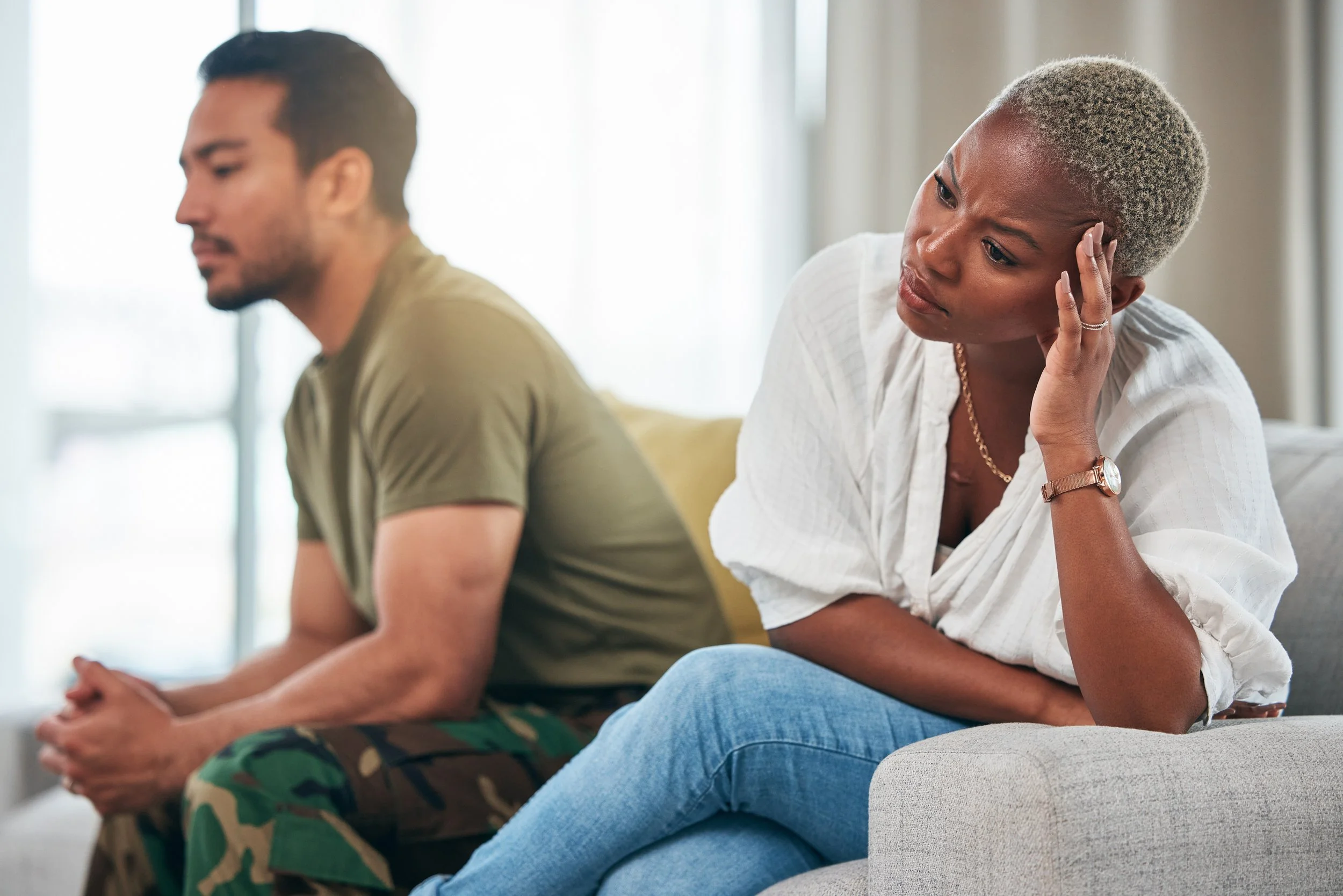
Why Healthy Relationships Can Feel Uncomfortable After Toxic Ones
Why Trust Can Feel Difficult Even With Safe People
After trust has been seriously or repeatedly broken, simply meeting a trustworthy person doesn't necessarily make the fear disappear.
Trust develops through experience. If previous experiences taught you that closeness could lead to betrayal, rejection, humiliation, abandonment, or disappointment, your mind may become more alert to signs that it could happen again.
This can create a frustrating disconnect. Part of you may recognize that the person in front of you is different, while another part remains cautious.
You may find yourself looking for reassurance and then questioning it once you receive it. You might interpret ambiguity negatively because uncertainty feels unsafe. You may even notice yourself preparing emotionally for a relationship to end when there is no clear indication that it will.
This doesn't mean those fears should automatically be trusted as evidence that something is wrong in the present relationship. It means they deserve to be understood.
Healing involves gradually learning to distinguish between information coming from the present and expectations that developed from the past.
Relationship Trauma and Attachment
Our earliest relationships can influence what we learn about closeness, safety, trust, and whether other people will be available when we need them.
Attachment theory, developed through the work of John Bowlby and expanded through the research of Mary Ainsworth, helped establish the importance of early caregiving relationships in emotional development. These early experiences can contribute to expectations about relationships that continue into adulthood.
This does not mean childhood determines your future relationships or that attachment patterns are permanent personality types. People continue learning through new relationships and experiences throughout their lives.
Still, understanding attachment can help make sense of reactions that otherwise feel confusing.
Someone who experienced inconsistent care may want closeness while also feeling anxious about whether it will last. Reassurance can feel important but difficult to fully believe. Small signs of distance may carry more emotional weight because they resemble earlier experiences of uncertainty.
Someone who learned that emotional needs were dismissed or that relying on others led to disappointment may respond differently. They may become highly independent, minimize their needs, or feel uncomfortable when a relationship requires greater vulnerability.
There can also be a combination of these responses. A person may deeply want connection but become frightened once it begins to feel emotionally significant, creating a pattern of moving toward closeness and then pulling away from it.
Rather than viewing these patterns as flaws, attachment gives us another way of understanding them: they developed in the context of relationships and can also change through relationships.
When the Past Feels Present
Relational experiences can affect more than our thoughts about other people. They can also influence how quickly we respond emotionally when something reminds us of an earlier experience.
A disagreement with a current partner, for example, may objectively be very different from conflict in a previous relationship. Yet if conflict once led to rejection, punishment, prolonged silence, or abandonment, the emotional reaction can be much stronger than the present situation seems to warrant.
The same thing can happen with criticism, changes in tone, emotional distance, uncertainty, or situations in which another person seems less available than usual.
This is one reason people sometimes say, “I know I'm overreacting, but I can't seem to stop.”
Knowing that the current situation is different is useful, but insight alone doesn't always immediately change an emotional response that has developed through repeated experience.
Part of healing involves noticing these moments and becoming more able to ask what belongs to the present situation and what may be connected to something older.
Protective Patterns Can Outlive the Situation That Created Them
Many behaviors that later create difficulties in relationships originally developed for understandable reasons.
Being extremely attentive to another person's mood may have helped you anticipate conflict in an unpredictable home. Avoiding vulnerability may have reduced the likelihood of being hurt in a relationship where your openness was used against you. People-pleasing may have helped preserve connection when disagreement felt dangerous. Emotional independence may have developed because depending on someone repeatedly resulted in disappointment.
The problem is that protective strategies don't automatically disappear when we no longer need them.
A behavior that once helped you navigate an unsafe or painful relationship may eventually interfere with a healthier one. Constantly monitoring another person's behavior can create anxiety. Avoiding vulnerability can make emotional intimacy difficult. Automatically putting other people's needs first can make it harder to recognize your own boundaries.
Healing doesn't require criticizing yourself for developing these patterns. It involves understanding why they exist while gradually deciding whether they still serve you.
Rebuilding Trust Without Ignoring Your Instincts
Healing relationship trauma doesn't mean becoming endlessly trusting or convincing yourself that everyone is safe.
Healthy trust includes discernment.
There are relationships in which anxiety is connected primarily to past experiences, but there are also situations in which discomfort is giving us important information about what is happening now. Someone may actually be inconsistent, dismissive, manipulative, dishonest, or unwilling to respect boundaries.
The goal isn't to automatically dismiss fear as “just trauma.” Instead, it can be helpful to become more skilled at evaluating what is actually happening.
Does this person's behavior generally match their words? Can they take responsibility when they've caused hurt? Do they respect boundaries? Is there room for disagreement without punishment or withdrawal? Can concerns be discussed openly? Does the relationship become safer and more predictable over time?
Trust doesn't have to be given all at once. It can develop gradually through repeated experiences of consistency, honesty, respect, and repair.
Healing Your Relationship With Yourself
Relational wounds can also affect how we see ourselves.
Repeated criticism may leave someone questioning whether they're too sensitive or difficult. Emotional neglect can create the belief that their needs don't matter. Betrayal may lead to questions about why they weren't “enough,” even when another person's choices were never a measure of their worth.
For this reason, healing isn't only about learning to trust other people again. It may also involve rebuilding trust in yourself.
That can mean becoming more confident in your perceptions, recognizing your needs without immediately dismissing them, developing clearer boundaries, and learning that another person's response doesn't determine whether your feelings are valid.
It can also involve looking at beliefs that formed within painful relationships and asking whether they still deserve a place in your life.
The experience may have shaped you, but the conclusions you drew about yourself while you were surviving it don't have to become permanent truths.
What Healing Can Look Like
Healing from relationship trauma rarely means reaching a point where nothing from the past ever affects you again.
A more realistic measure of healing may be having greater choice in how you respond when old fears appear.
You might notice anxiety without immediately assuming something is wrong. You may become better able to communicate what you need rather than waiting for someone to guess. Boundaries can become clearer without feeling like an automatic threat to connection. You may begin tolerating the uncertainty that naturally exists in relationships without feeling compelled to constantly seek reassurance or prepare for rejection.
You may also become more comfortable recognizing when a relationship genuinely isn't healthy and trusting yourself enough to respond.
Progress can be subtle. Sometimes it looks less like becoming completely fearless and more like realizing that fear no longer makes every decision for you.
Questions for Reflection
If past relationships continue to influence how you experience connection today, you might consider what you learned about relationships during those experiences. Think about what tends to make you feel especially unsafe, what you do when you fear losing someone's connection, and whether you tend to move closer, pull away, accommodate, become highly alert, or respond in another way.
You might also reflect on whether the people in your life today are actually repeating the patterns you've experienced before, or whether some of your reactions are based on what you learned to expect.
Another important question is what emotional safety looks like to you now. Which behaviors help you feel respected and secure? What boundaries have become important? What would trusting yourself in a relationship look like, even when you cannot be completely certain about another person?
These questions aren't about finding fault in yourself or the people from your past. They can help you understand how your experiences shaped you and what you would like relationships to feel like moving forward.
Therapy and Healing From Relationship Trauma
Relationship trauma often develops through connection, which is one reason healing can also involve experiencing connection differently.
Therapy can provide a space to explore how past relationships continue to influence your expectations, emotional responses, boundaries, and sense of self. It can also help you recognize protective patterns without judging them, understand what tends to activate old fears, and practice responding to relationships from the present rather than automatically through expectations formed in the past.
Healing doesn't require forgetting what happened or pretending that painful experiences didn't matter. It can mean reaching a place where those experiences are part of your history without continuing to determine what you expect from every relationship that follows.
At Violet Light Mental Health Counseling, therapy is approached with warmth, curiosity, and compassion. Together, we can explore the relationship experiences that have shaped you, strengthen trust in yourself, and work toward relationships in which connection and emotional safety have more room to exist.
Sources
• American Psychological Association. (2024). Healthy relationships and emotional well-being.
• Ainsworth, M. D. S. (1978). Patterns of Attachment: A Psychological Study of the Strange Situation.
• Bowlby, J. (1988). A Secure Base: Parent-Child Attachment and Healthy Human Development.
• Neff, K. (2021). Fierce Self-Compassion.
• van der Kolk, B. A. (2014). The Body Keeps the Score: Brain, Mind, and Body in the Healing of Trauma.